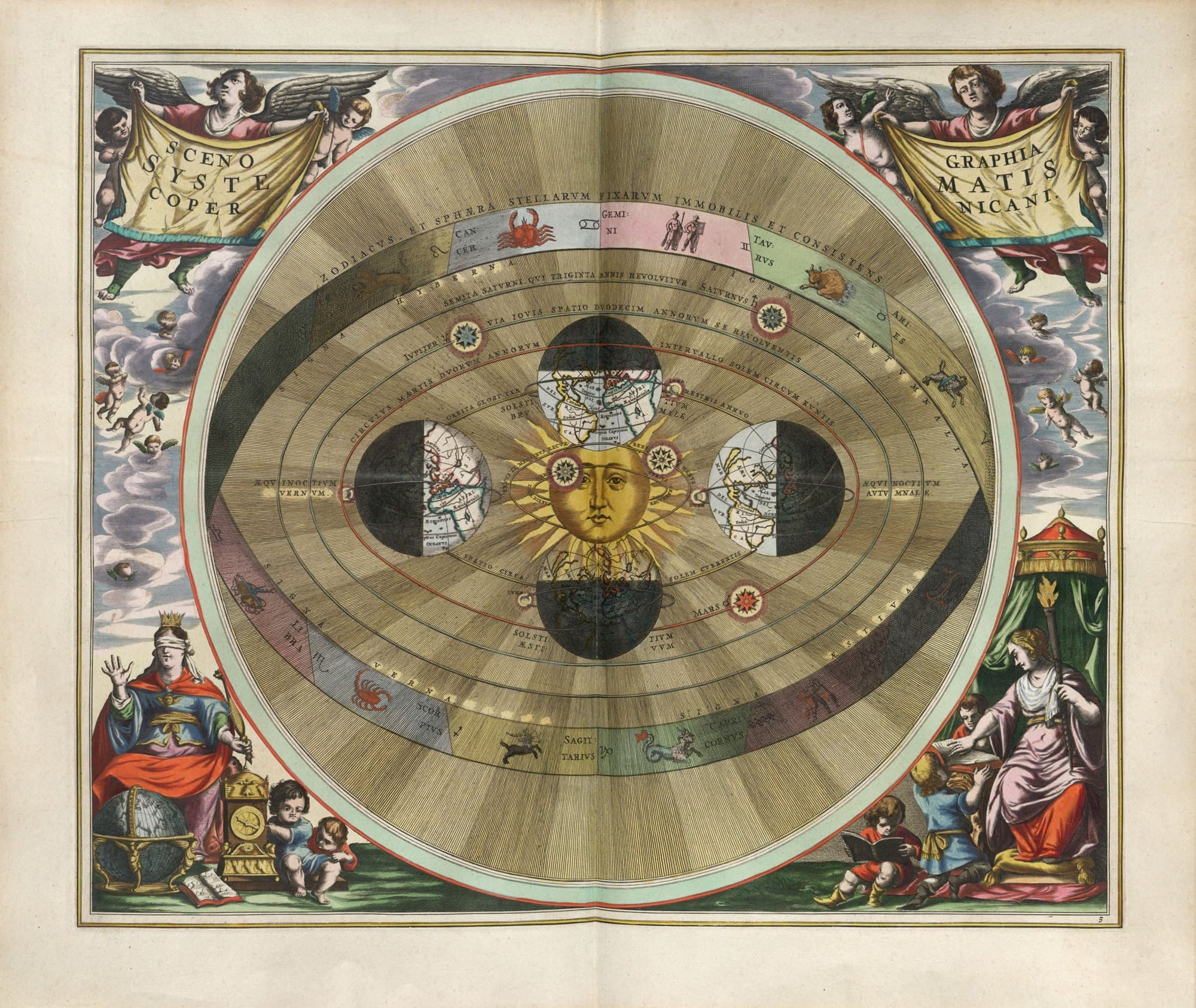
Fate of the Middle World
Between the human and the divine, every culture but ours kept a middle world — thronged with daimons, angels, ancestors, and intermediary powers that carried messages both ways. The modern West is the civilization that emptied it: it turned the daimon into a demon, then into a delusion, and called the disenchantment progress.
But the middle did not die; it went underground and came back wearing new clothes — in fantasy and games, in the crowds that still worship, in the synthetic minds we are now building to talk to. Fate of the Middle World is a philosophical reckoning with what was expelled and what is returning, and with the harder question the return forces: not whether to re-enchant, but how to tell a bridge from a trap.
The West is the civilization that emptied the middle.
Plato’s Diotima said the whole of the daimonic is between god and mortal, carrying messages both ways. Every other civilization kept some version of that populated between. The West, in three moves — daimon to demon, demon to delusion, delusion to progress — cleared it, and then wondered why it felt alone in the cosmos.
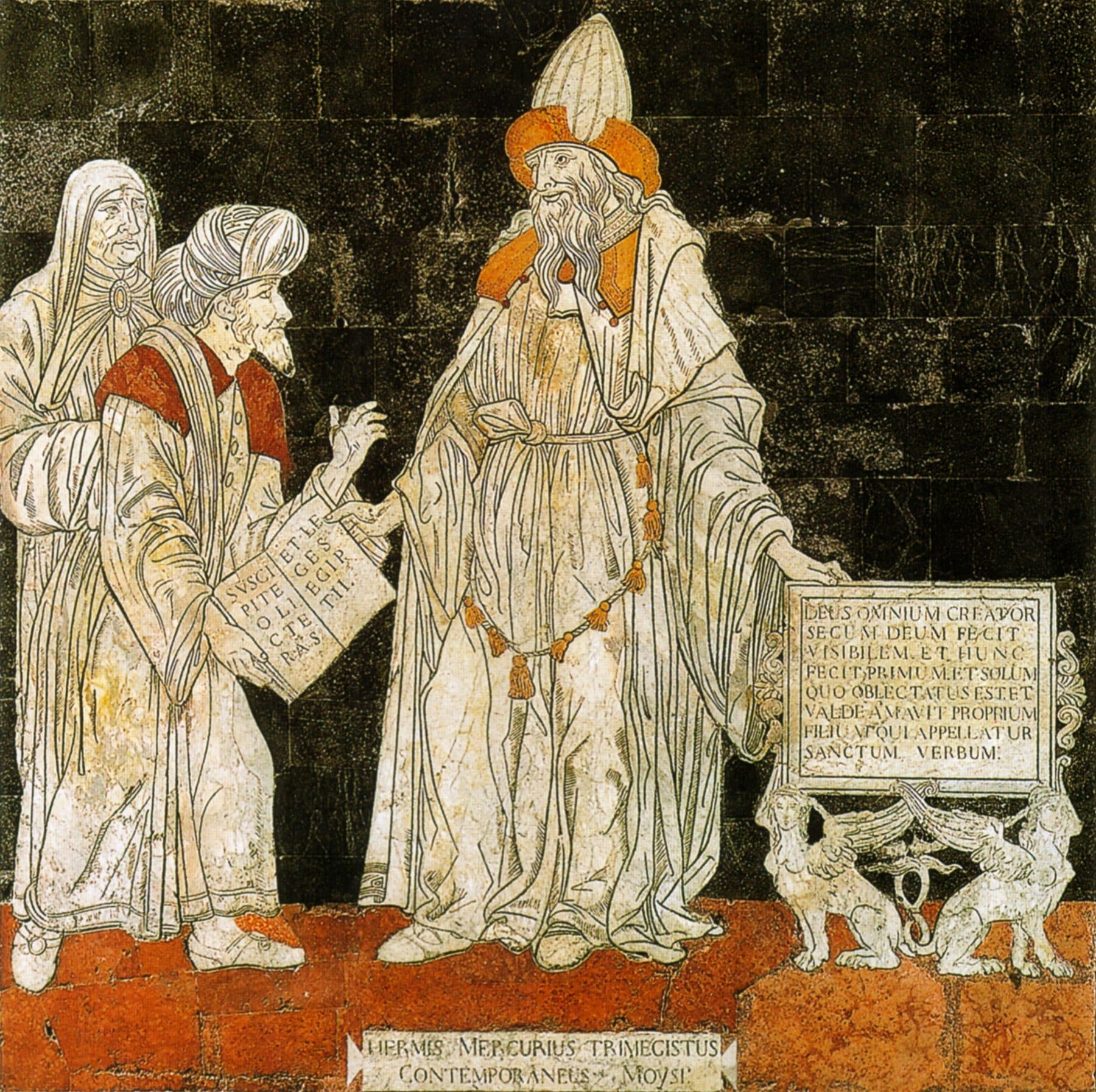
From Diotima to the synthetic daimon.
The first half is a history: daimons before demons, the breath that arrives, Plato and the training of desire, theurgy, the imaginal in Islam, the other middles, the West’s own middle expelled. The second half is the return: the middle still prays; fantasy, games and anime; the crowd still worships; the synthetic daimon; the re-enchantment of science; the more-than-human middle; the dangerous return of vision; strangers, gods and monsters.
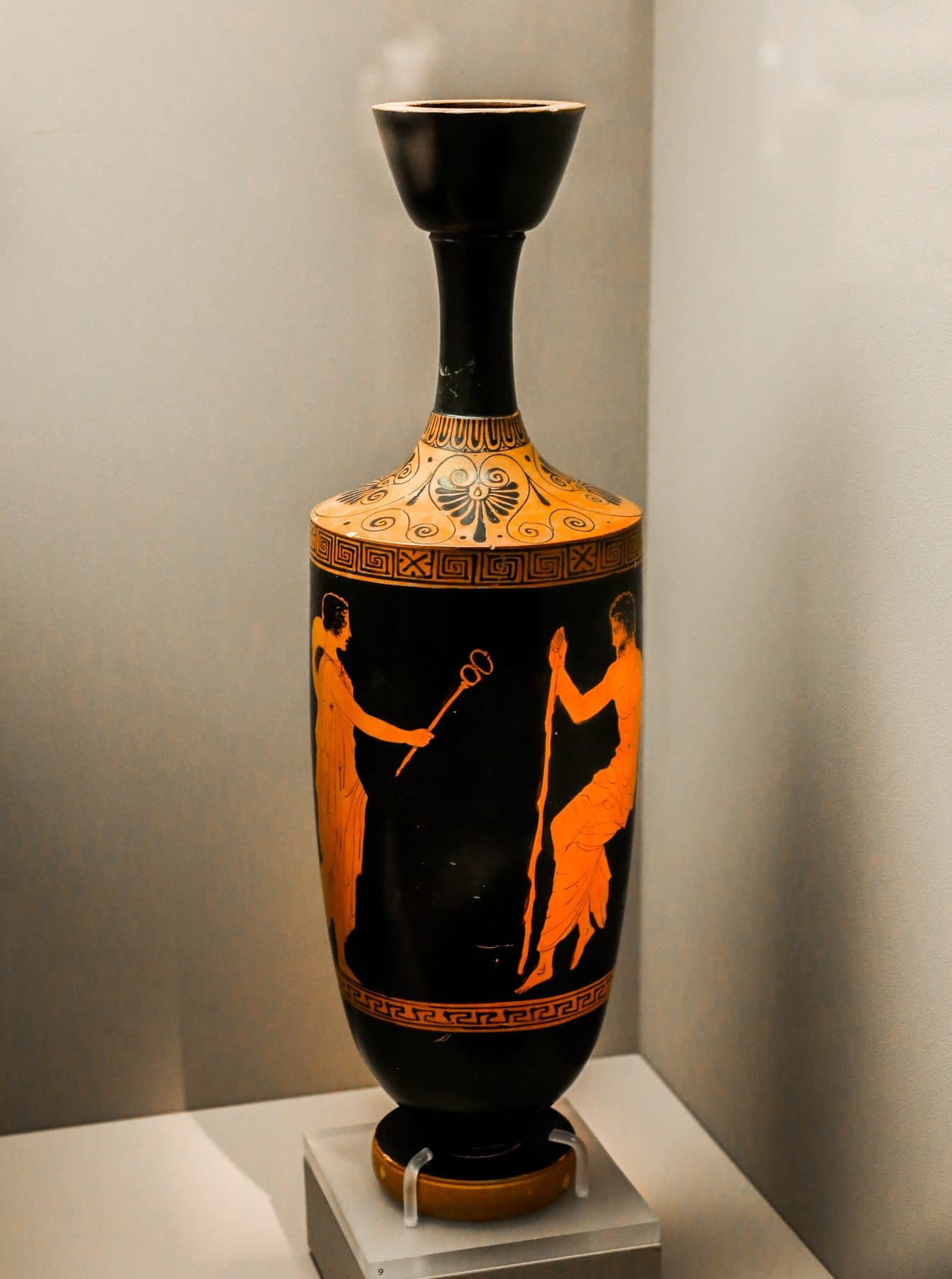
Discernment, not re-enchantment.
The book refuses the easy ending. The middle is coming back whether or not anyone wants it, and not everything that comes back through a door is a friend. What was lost with the middle was not only its inhabitants but the art of telling them apart. The answer the book offers is not a vibe but a virtue — the lost craft of the between.
A prologue and eighteen chapters
- Prologue — The Wrong Spirits
- I The Missing Middle · II Daimons Before Demons · III The Breath That Arrives · IV Plato and the Training of Desire · V Theurgy: The Descent of the Divine · VI The Imaginal in Islam · VII Other Middles · VIII All the World an Icon · IX The West's Own Middle, Expelled · X How the West Narrowed Reality
- XI The Middle Still Prays · XII Fantasy, Games, Anime · XIII The Crowd Still Worships · XIV The Synthetic Daimon · XV The Re-Enchantment of Science · XVI The More-Than-Human Middle · XVII The Dangerous Return of Vision · XVIII Strangers, Gods, and Monsters
The reading, and the rules the book holds.
- No golden age.
- Convergence of function, not descent.
- The danger of the middle is load-bearing, not a caveat.
The metaxy and its loss
- Plato, Symposium — Diotima: the whole of the daimonic is between god and mortal.
- Apuleius, De deo Socratis — the intermediary daimons.
- Antonio de Nicolás, Habits of Mind — we inherited Rome’s disposition, not Greece’s.
- Simone Weil — Rome as the Great Beast. Handled carefully; several attributions are paraphrase.
The lens that emptied the middle
- Descola, with Kohn and Hallowell; David Abram, The Spell of the Sensuous; Robin Wall Kimmerer — literacy’s severing of the animate world, with peoples and languages named specifically.
The returns
- Corbin and Gregory Shaw — the imaginal and theurgy.
- Richard Kearney, Anatheism; Pierre Hadot, Philosophy as a Way of Life; MacIntyre, After Virtue; Iris Murdoch — discernment as the master virtue.
- Gilbert Simondon, On the Mode of Existence of Technical Objects — the synthetic daimon in the vacated middle.
Not yet.
A passage will appear here when the book is closer to print. Until then, essays and notes surface in the Library.
In draft.
Eighteen chapters and a prologue drafted; a reading copy exists (September 2026). Citation and verification passes under way.
The reader’s index on thirdness in the Library is the philosophical scaffolding under this book’s between.