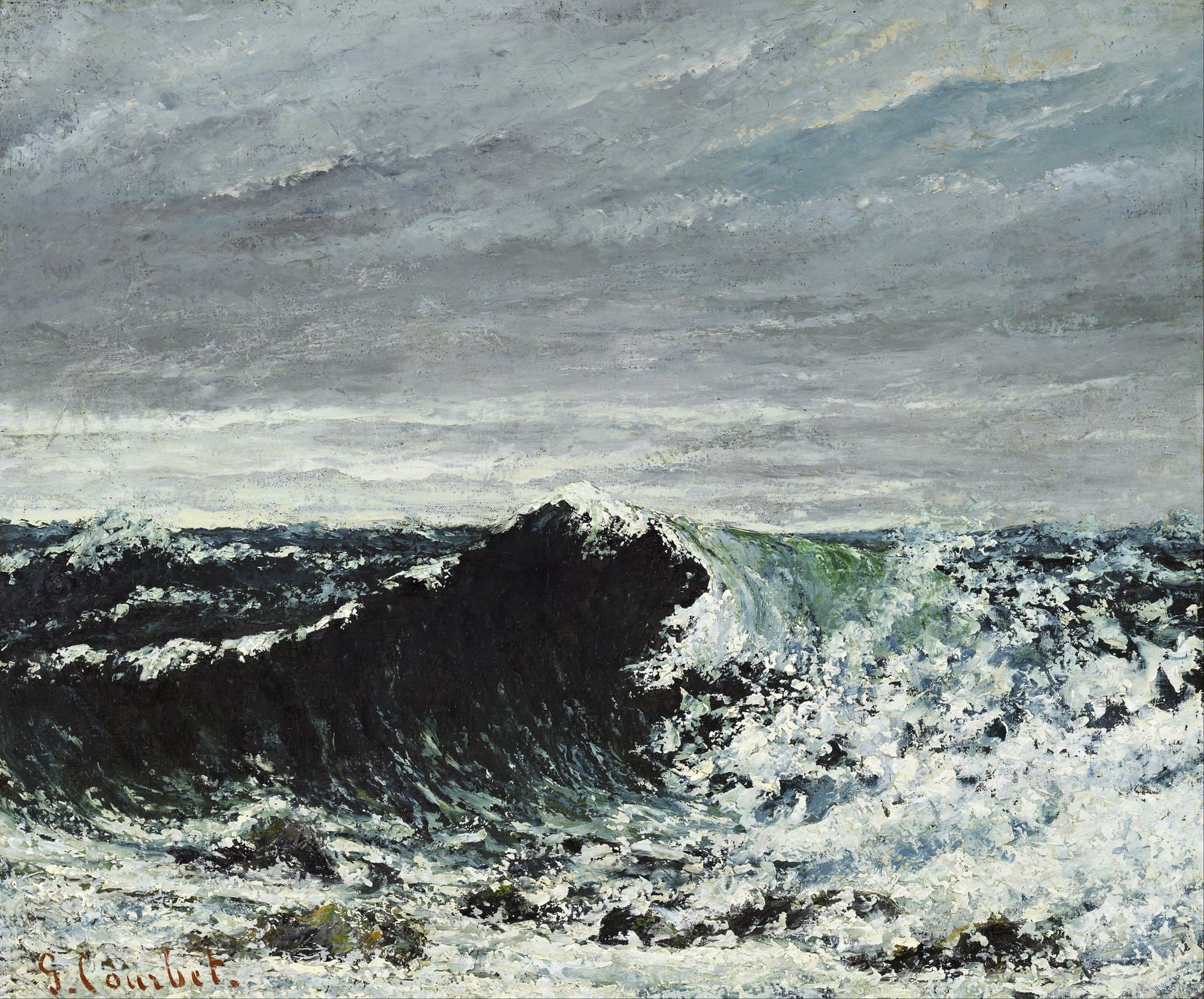
Born AgainThe Human Rite of Rebirth
You are not the same person who started this sentence. The self you take for a fixed thing is a construction — assembled late, in language, over an older mode of being that never stops running underneath — and nearly every culture that ever lived discovered that a self, once built, can be taken apart and grown again. They called it a death and a birth.
From the Candomblé terreiros of Bahia to the drums of the Siberian taiga, Born Again is a field report on humanity’s oldest technology: the deliberate unmaking and remaking of a person, in company and on purpose. It is dangerous alone and generative when held — and a civilization that has forgotten how to do it still needs it, and meets it unprepared.
A self is a verb, not a noun.
The book’s spine is a single observation: the person you experience as “I” is a late construction, built in language on top of an older way of being that never went away. Every tradition that developed a rite of rebirth discovered the same thing from the inside — that the construction can be suspended, and that what is underneath is not chaos but an older competence.
Rebirth, in this telling, is not a metaphor and not a miracle. It is a technique, practised for millennia, with a recognisable anatomy wherever it appears: the drum, the fast, the darkness, the held hand, the return with a report.
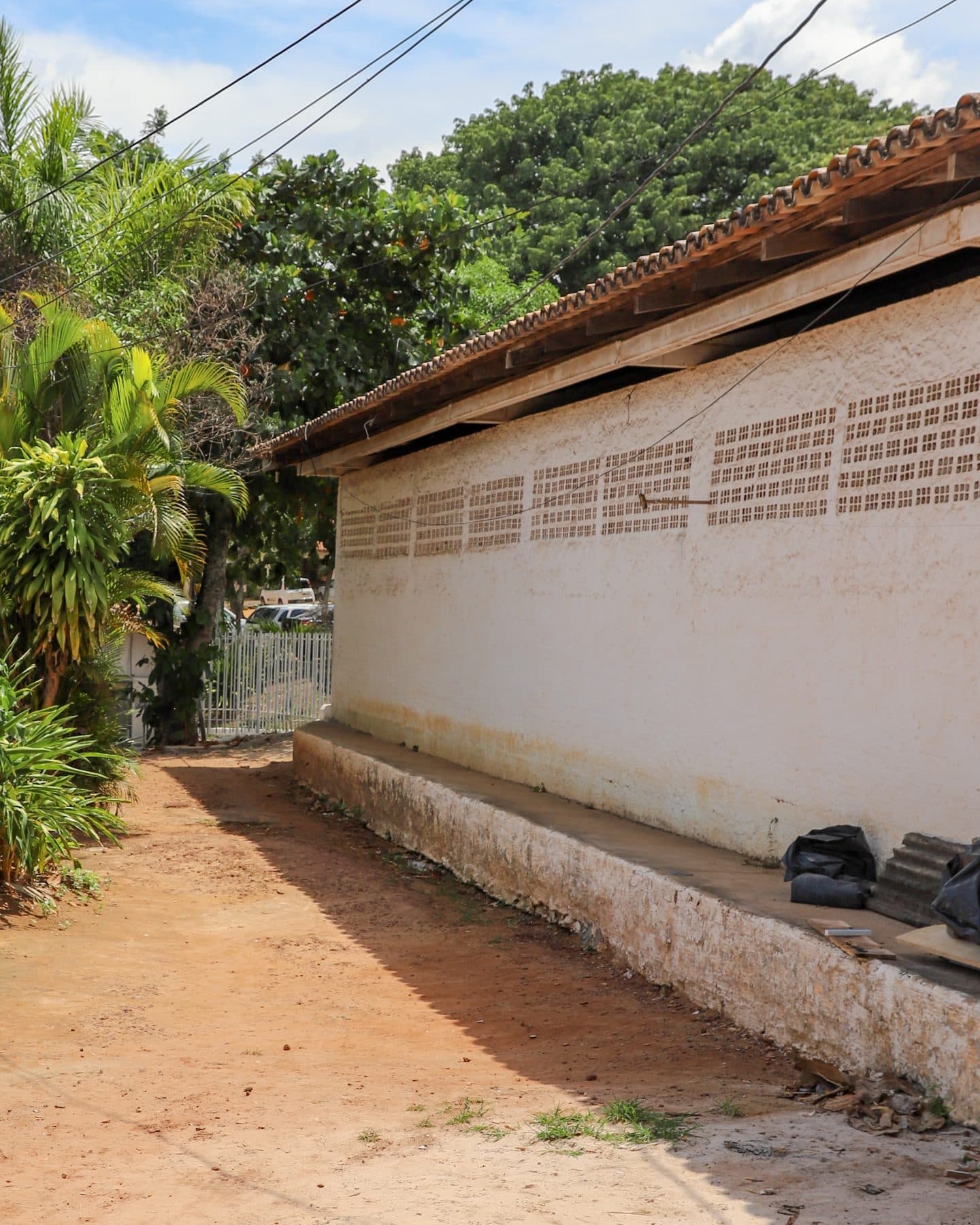
Fieldwork before argument.
Part One is set in the barracão and the roncó of a Candomblé house in Bahia — who falls, who drums, what the instrument does, how the word becomes music. From there the book widens: Siberian and Central Asian ecstatic practice, the Christian exorcist’s heirs, the Platonic cave, the rivers of forgetting, the anatomy of a god. The traditions are read for what they do to a person, in their own terms, before any theory is allowed near them.
Not a lament, not a metaphysics.
It does not mourn a lost golden age; the art is living. It does not claim to know what the spirits are; it takes the practice seriously as practice, neither explaining it away nor endorsing its cosmology. And it does not borrow a tradition’s images to sell a Western self-help book — the Candomblé material is reported, attributed, and held with its own costs and disputes.
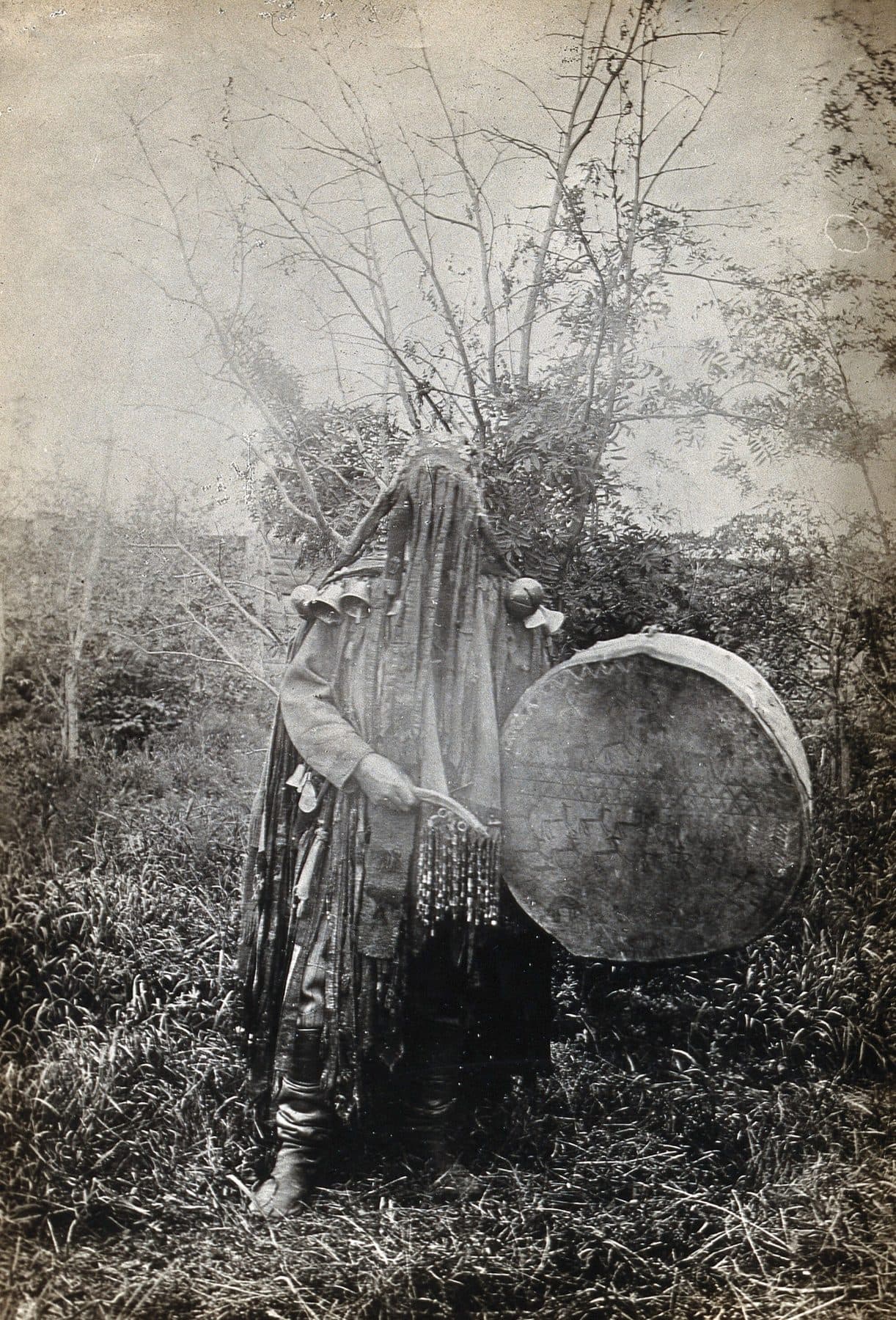
The one it is coming for.
For anyone who has been taken apart — by grief, illness, conversion, collapse, or simply time — and was handed no way to be put back together. Part Four, The Wound, is about what happens when the unmaking arrives unheld. The argument is that it arrives regardless; the only question is whether anyone is there.
Four parts, eighteen chapters
- Introduction: A Verb, Not a Noun
- Part One — The Making: The Barracão · The Doubled World · Who Falls, Who Drums · The Roncó · The Instrument · The Dimmer Switch · The Word Made Music · The Exorcist's Heirs
- The Hinge
- Part Two — What the Unmaking Reaches: The Homecoming Report · The Ocean Before Words · The Horse That Doesn't Remember · Held
- Part Three — Everywhere: The Rivers of Forgetting · The Cave · The Mirror · The Belt · The Anatomy of a God
- Part Four — The Wound: Unheld
- Coda: What the Traditions Knew
The reading, and the rules the book holds.
- Non-metaphysical throughout.
- Anti-appropriation: reported, attributed, never borrowed.
- No golden age.
- Diaspora is descent; the global belt is convergence of function only.
Epigraphs: Buckminster Fuller, I Seem to Be a Verb; Norman O. Brown, Love’s Body (Coda).
Candomblé and the Yorùbá-Atlantic core
- J. Lorand Matory, Black Atlantic Religion (2005) and “The Communal Stakes of Scholarly Debate” (2018) — Candomblé as a cosmopolitan, transnational achievement, not an inert “African survival.”
- Jacob K. Olupona & Terry Rey, eds., Òrìṣà Devotion as World Religion (2008) — with Soyinka, Ọyẹlaran, Táíwò, Badejo, Pemberton, Yai.
- Wole Soyinka, “The Tolerant Gods” and Climate of Fear (2005) — openness, no crusade and no infidel, as the survival mechanism.
- Gisèle Cossard, Awô: O Mistério dos Orixás (2006) — insider ethnography of the roncó, the erê, the bodily state of trance.
- Pierre Verger (Orixás; Notas/Ewé) and Reginaldo Prandi — liturgy, the efficacy of the word.
- Danielle N. Boaz, Banning Black Gods (2021); Boaz & Vaughan, Silencing the Drum (2024) — persecution and expansion; the suppressed, surviving drum.
- Diaspora siblings: David H. Brown, Santería Enthroned; Karen McCarthy Brown, Mama Lola.
The comparative belt — convergence of function, not descent
- Carmen Blacker, The Catalpa Bow (1975) — the Japanese itako; the medium made by death and rebirth. Her diffusionism and elegiac register are reported, not endorsed.
- I. M. Lewis, Ecstatic Religion, read with Boddy’s critique; James W. Fernandez, Bwiti.
- Roger Bastide, The African Religions of Brazil; Gilbert Rouget, Music and Trance — the music-to-trance machinery.
Frame
- Charles Taylor, A Secular Age — the buffered and the porous self; excarnation.
- Tomoko Masuzawa, The Invention of World Religions (2005).
- Philippe Descola, Beyond Nature and Culture, with Kohn and Hallowell — naturalism as one ontology among others; relational personhood.
- Adriana Cavarero, For More than One Voice — the devocalisation of logos.
- Deleuze & Guattari, routed through DeLanda to stay non-metaphysical — the held-versus-unheld keystone.
Mechanism
- Memory reconsolidation (Ecker); motivational interviewing (Miller & Rollnick); self-determination theory (Deci & Ryan); Felicitas Goodman; Keane, Bloch and Rappaport on ritual language and semantic opacity.
Not yet.
A passage will appear here when the book is closer to print. Until then, essays and notes surface in the Library.
Manuscript complete.
Proof-ready, September 2026. Roughly 57,000 words, 262 references, three verification sweeps. Seeking representation.
The book’s question — who is there when a person is taken apart — is the one the coaching work holds in a single life.